Where to Buy Original Art (And What to Avoid)
Understanding how to navigate the art market today — beyond platforms, prices and appearances.
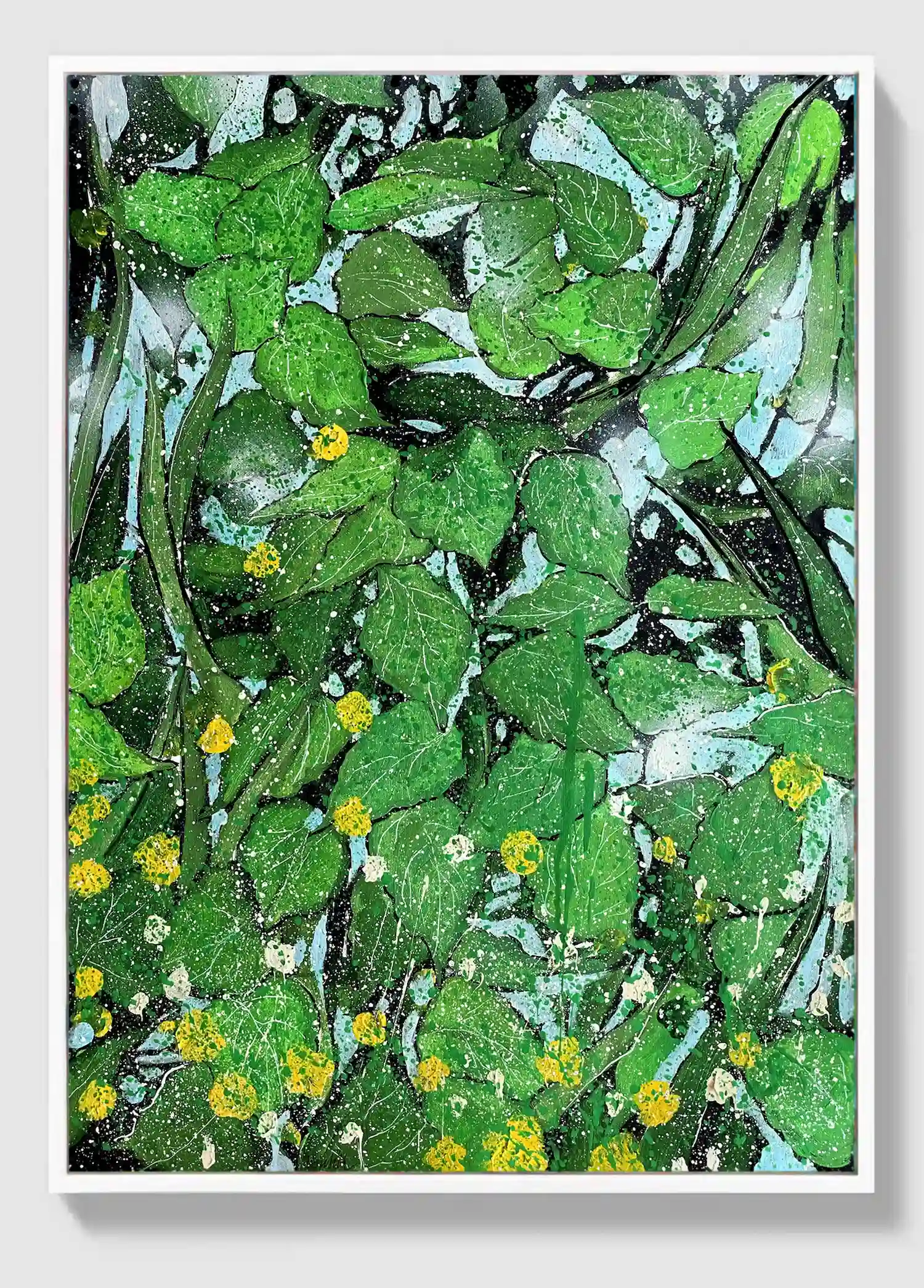
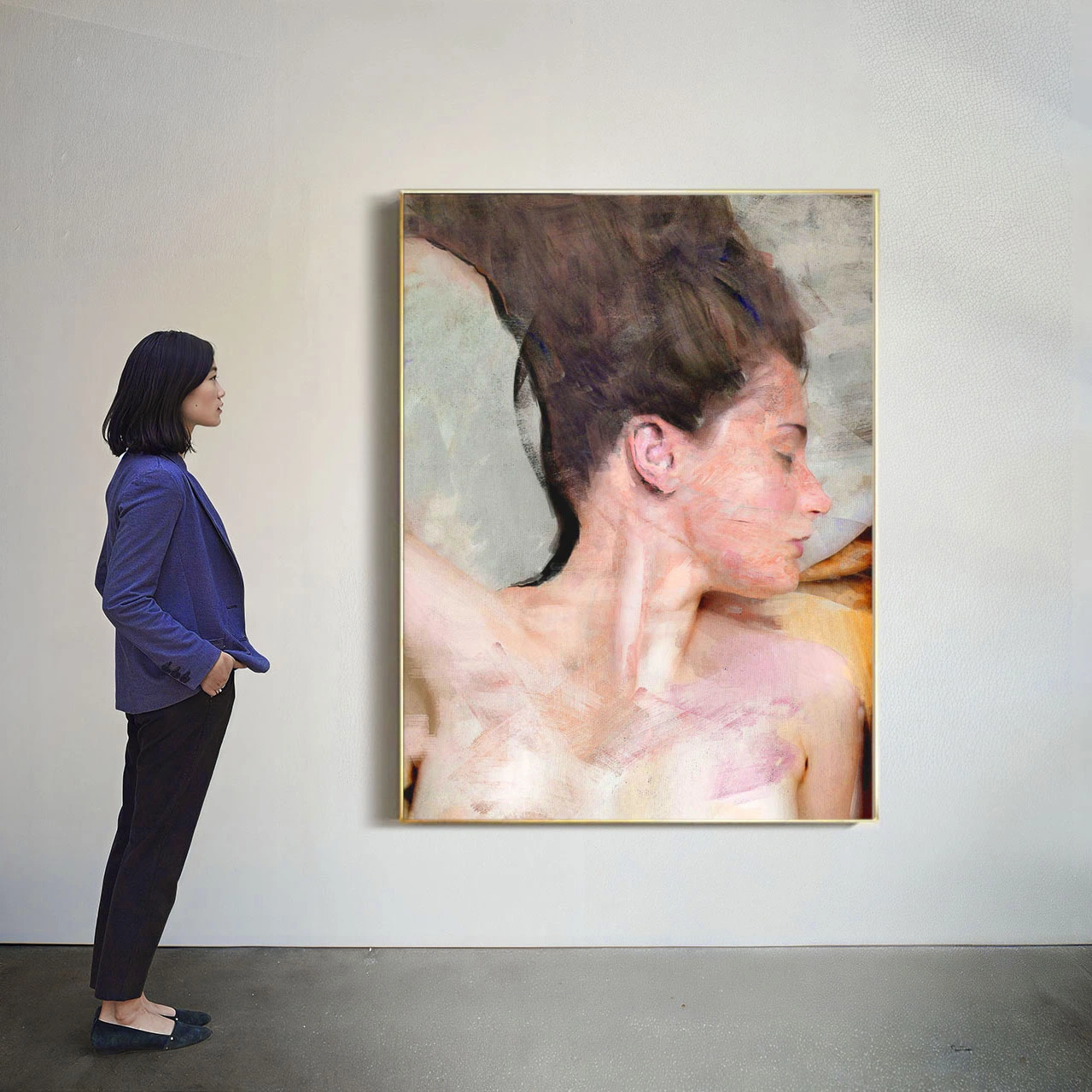
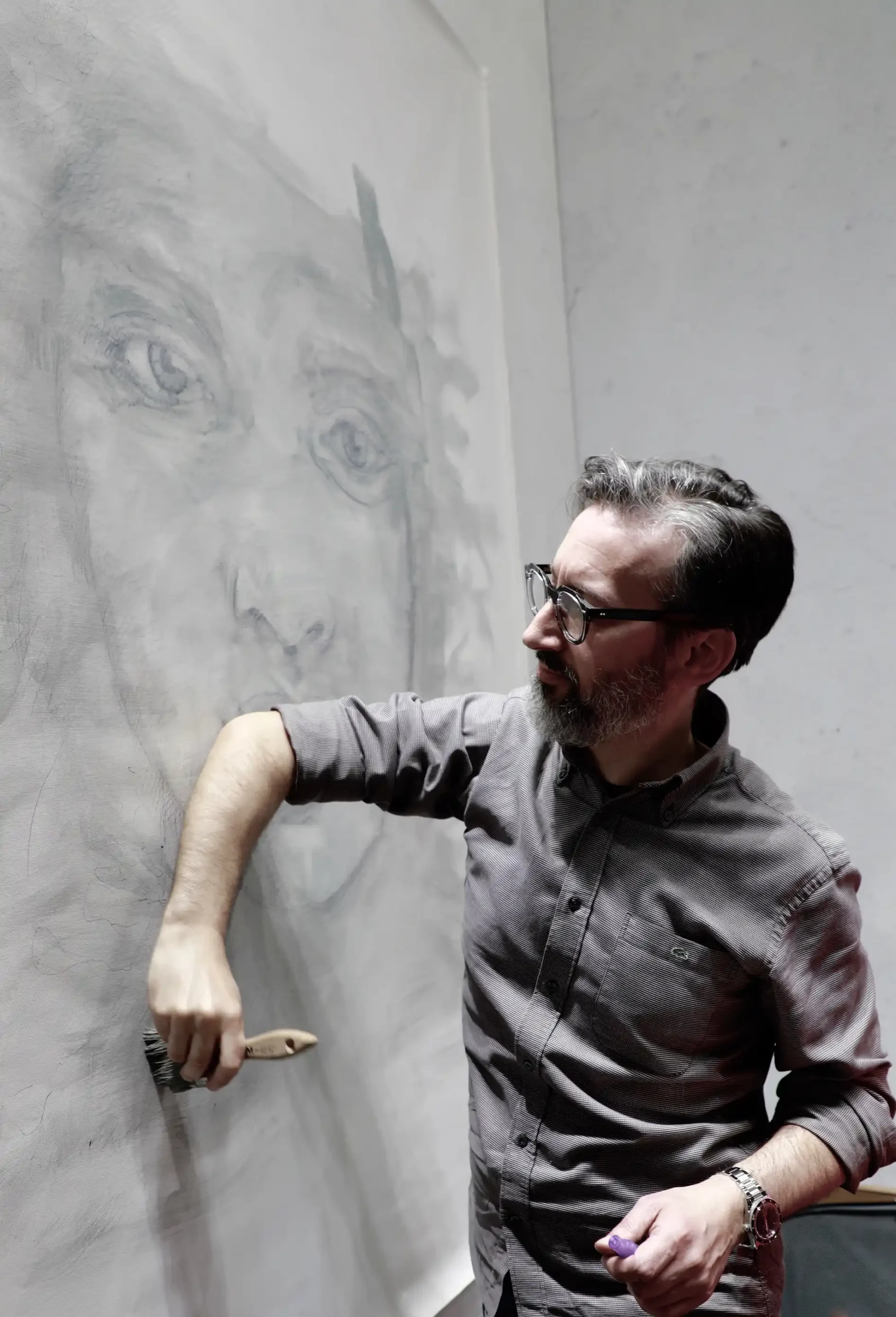
Buying original art today is easier than ever. Understanding what you are actually buying is something else entirely.
The problem with buying art online
Buying original art today is easy. Understanding where to buy it — and what you are actually buying — is not.
The internet has opened access to thousands of artworks, artists and platforms, but it has also made the landscape harder to read. Everything looks like art. Everything is available. Prices vary without clear logic. Context is often missing.
Most collectors don’t struggle with access — they struggle with clarity. Not knowing what is original, what has real value, or what is simply decorative leads to hesitation. Not because of lack of interest, but because of lack of trust.
Online marketplaces
Auctions introduce a dynamic element: price formation through competition. They can be engaging and sometimes offer unexpected opportunities.
But they are also driven by time pressure, volatility and fragmented context. While auctions can be part of the process, understanding the artwork itself remains essential — especially in more direct environments such as independent art auctions.
Art galleries
Galleries provide selection, narrative and positioning. They offer a curated environment and remain a key reference in the art world.
At the same time, access is limited, pricing is influenced by structure, and communication is filtered. You are buying within a system that is not always transparent.
Art auctions
Auctions introduce a dynamic element: price formation through competition. They can be engaging and sometimes offer unexpected opportunities.
But they are also driven by time pressure, volatility and fragmented context. While auctions can be part of the process, understanding the artwork itself remains essential — especially in more direct environments such as independent art auctions.
Buying directly from the artist
This is where the structure changes completely. Buying directly from the artist removes layers and restores clarity.
You understand the process, the body of work, the intention behind the piece. You are not just selecting an artwork — you are entering a relationship. This approach allows you to explore original paintings available directly from the studio, without intermediaries.
What you see is what exists. No mediation, no distortion, no artificial positioning.
What to avoid
The growth of the online art market has increased visibility, but also noise. There are recurring patterns that often lead to poor decisions.
Decorative mass-produced artworks designed to fill space rather than express a research. Ambiguous “originals” where the line between artwork and reproduction is unclear. Platforms built for volume, where quantity replaces depth. And decisions based only on price, ignoring the meaning and context of the work.
What actually matters
The real difference today is not where you buy art, but how readable the system behind the artwork is.
Can you understand who made it, why it exists, and how it connects to a larger body of work? Or are you simply looking at an isolated object, detached from everything else? Exploring a coherent body of work — such as a defined series like Sunlight Blooms — often provides a much clearer entry point.
A different way to approach it
Buying original art is not a simple transaction. It is a decision about what you want to live with, and what kind of relationship you want to build over time.
This is why many collectors are moving toward more direct and transparent systems. Not because they are easier, but because they are clearer.
Conclusion
Where you buy original art matters. But what matters more is whether the system behind that purchase is understandable, coherent and transparent.
Because in the end, you are not just buying an artwork — you are choosing how and why it enters your life.
Dove comprare arte originale (e cosa evitare)
Capire come orientarsi nel mercato dell’arte oggi — oltre piattaforme, prezzi e apparenze.
Comprare arte originale oggi è più semplice che mai. Capire cosa si sta realmente acquistando è tutta un’altra storia.
Comprare arte originale oggi è facile. Capire dove comprarla — e cosa si sta realmente acquistando — non lo è.
Internet ha aperto l’accesso a migliaia di opere, artisti e piattaforme, ma allo stesso tempo ha reso il panorama più difficile da leggere. Tutto sembra arte. Tutto è disponibile. I prezzi variano senza una logica chiara. Il contesto spesso manca.
La maggior parte dei collezionisti non ha un problema di accesso — ha un problema di chiarezza. Non sapere cosa è originale, cosa ha valore reale o cosa è semplicemente decorativo porta all’esitazione. Non per mancanza di interesse, ma per mancanza di fiducia.
Piattaforme online
Le grandi piattaforme offrono accesso immediato a un numero vastissimo di artisti e opere. Sono facili da navigare ed efficienti da usare. Ma sono costruite per la scala. Gli artisti diventano intercambiabili, il contesto si riduce e la relazione tra artista e collezionista scompare.
In questi ambienti stai acquistando un oggetto — senza capire realmente da dove proviene. Per questo molti collezionisti iniziano a cercare alternative più dirette, come comprare arte contemporanea direttamente dall’artista.
Gallerie d’arte
Le gallerie offrono selezione, narrazione e posizionamento. Costruiscono contesti e rimangono un riferimento importante nel sistema dell’arte.
Allo stesso tempo, l’accesso è limitato, i prezzi sono influenzati dalla struttura e la comunicazione è filtrata. Si acquista all’interno di un sistema che non è sempre trasparente.
Aste d’arte
Le aste introducono una dinamica diversa: la formazione del prezzo attraverso la competizione. Possono essere coinvolgenti e talvolta offrire opportunità inattese.
Ma sono anche guidate da pressione temporale, volatilità e contesto frammentato. L’esperienza è immediata, ma non sempre basata su una reale comprensione. Per questo è fondamentale conoscere il contesto dell’opera, anche in ambienti più diretti come aste d’arte indipendenti.
Comprare direttamente dall’artista
È qui che la struttura cambia completamente. Comprare direttamente dall’artista elimina i livelli intermedi e restituisce chiarezza.
Si comprende il processo, il corpo di lavoro, l’intenzione dietro l’opera. Non si sta semplicemente scegliendo un oggetto — si entra in relazione. Questo approccio permette di esplorare dipinti originali disponibili direttamente dallo studio, senza intermediari.
Ciò che si vede è ciò che esiste. Nessuna mediazione, nessuna distorsione, nessun posizionamento artificiale.
Cosa evitare
La crescita del mercato dell’arte online ha aumentato la visibilità, ma anche il rumore. Esistono pattern ricorrenti che spesso portano a decisioni sbagliate.
Opere decorative prodotte per riempire spazi piuttosto che esprimere una ricerca. “Originali” ambigui, dove il confine tra opera e riproduzione è poco chiaro. Piattaforme costruite sul volume, dove la quantità sostituisce la profondità. E scelte basate solo sul prezzo, ignorando significato e contesto.
Cosa conta davvero
La vera differenza oggi non è dove si compra arte, ma quanto è leggibile il sistema che sta dietro all’opera.
È possibile capire chi l’ha realizzata, perché esiste e come si collega a un percorso più ampio? Oppure si sta guardando un oggetto isolato, scollegato da tutto il resto? Esplorare un corpo di lavoro coerente — come una serie definita come Sunlight Blooms — offre spesso un punto di accesso molto più chiaro.
Un approccio diverso
Comprare arte originale non è una semplice transazione. È una decisione su ciò con cui si vuole vivere e sul tipo di relazione che si vuole costruire nel tempo.
Per questo molti collezionisti si stanno spostando verso sistemi più diretti e trasparenti. Non perché siano più semplici, ma perché sono più chiari.
Conclusione
Dove si compra arte originale conta. Ma conta di più capire se il sistema dietro quell’acquisto è comprensibile, coerente e trasparente.
Perché alla fine non si sta semplicemente acquistando un’opera — si sta scegliendo come e perché entrerà nella propria vita.