AI Automotive Design Concept
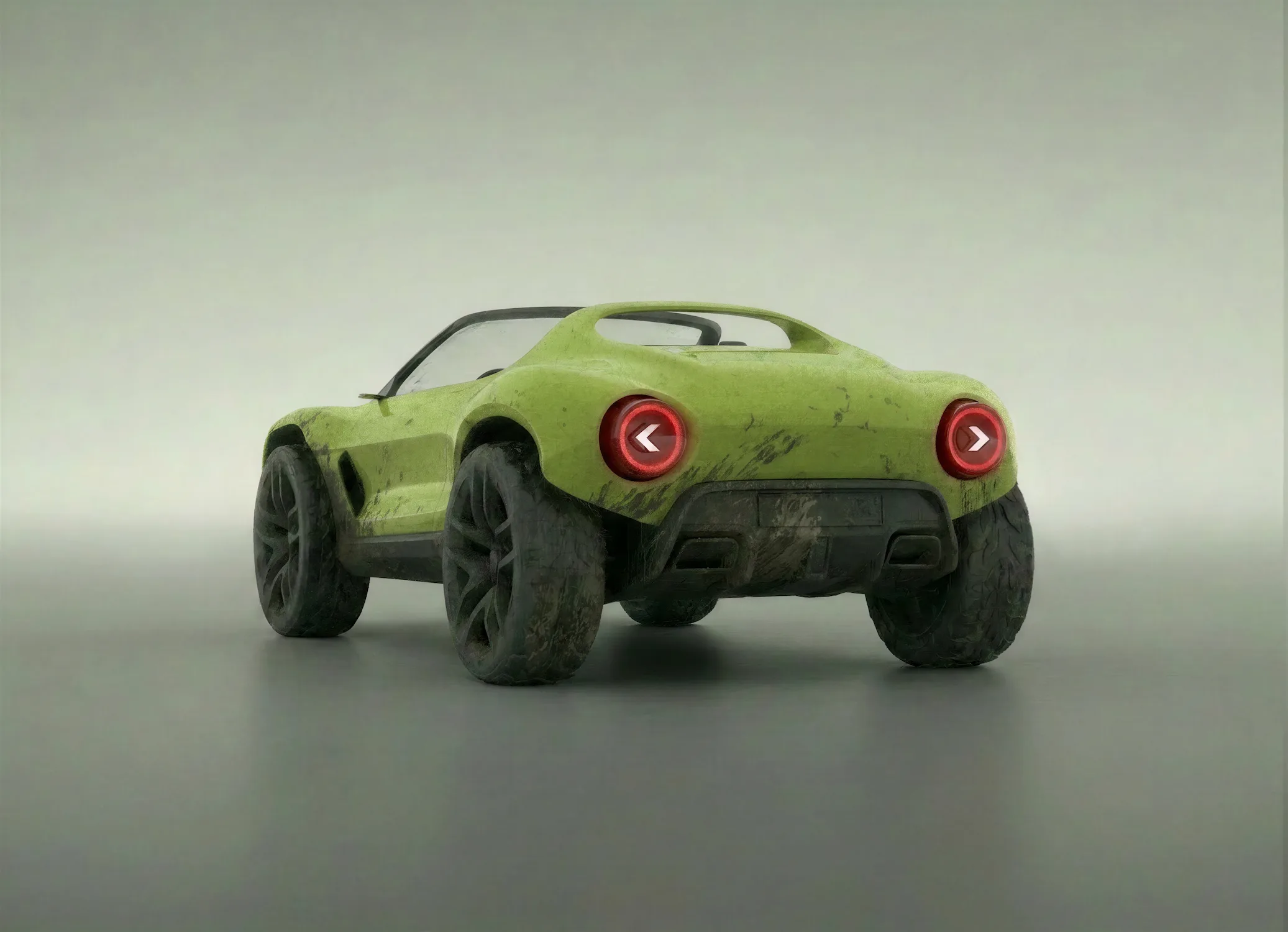
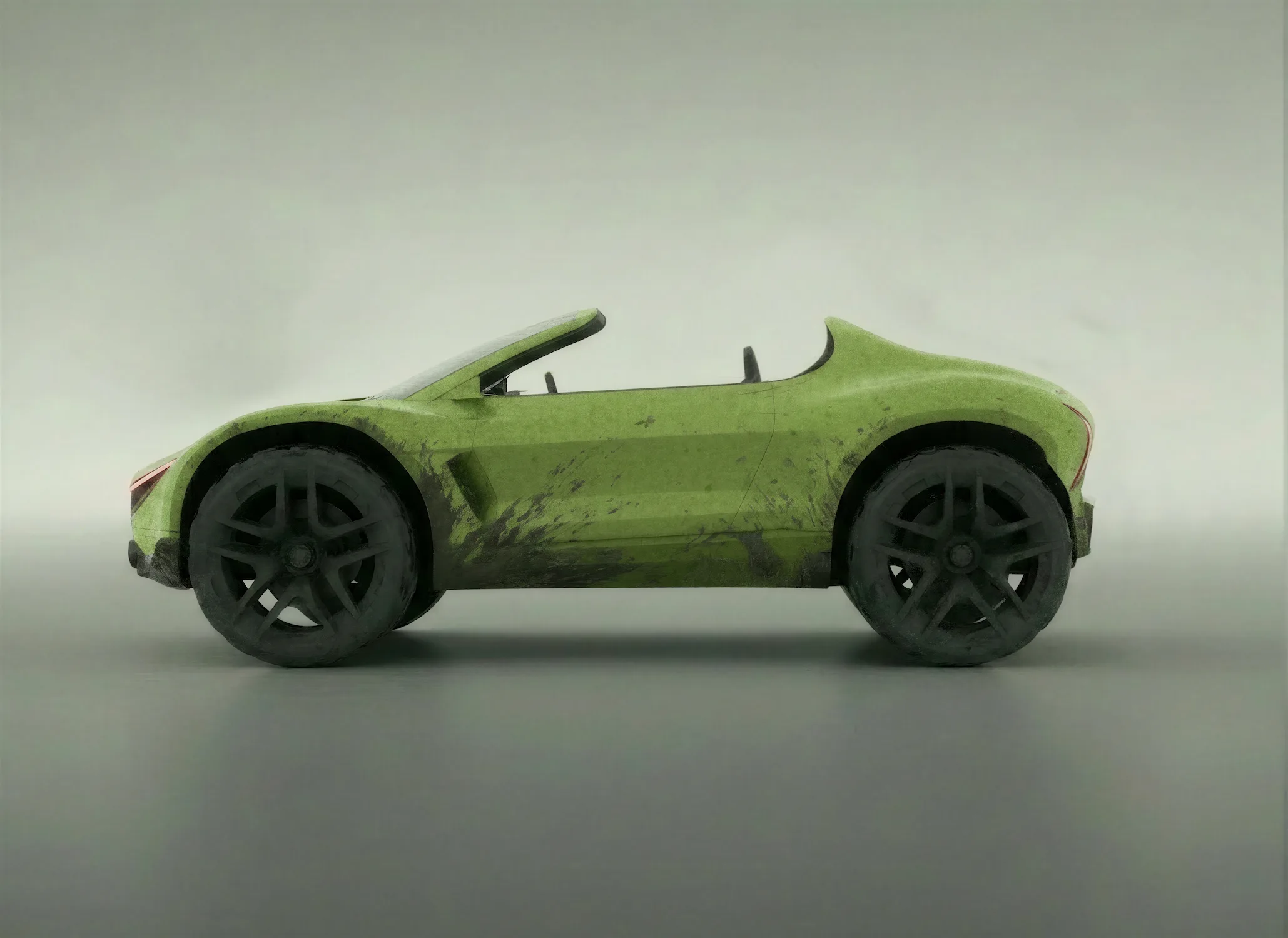
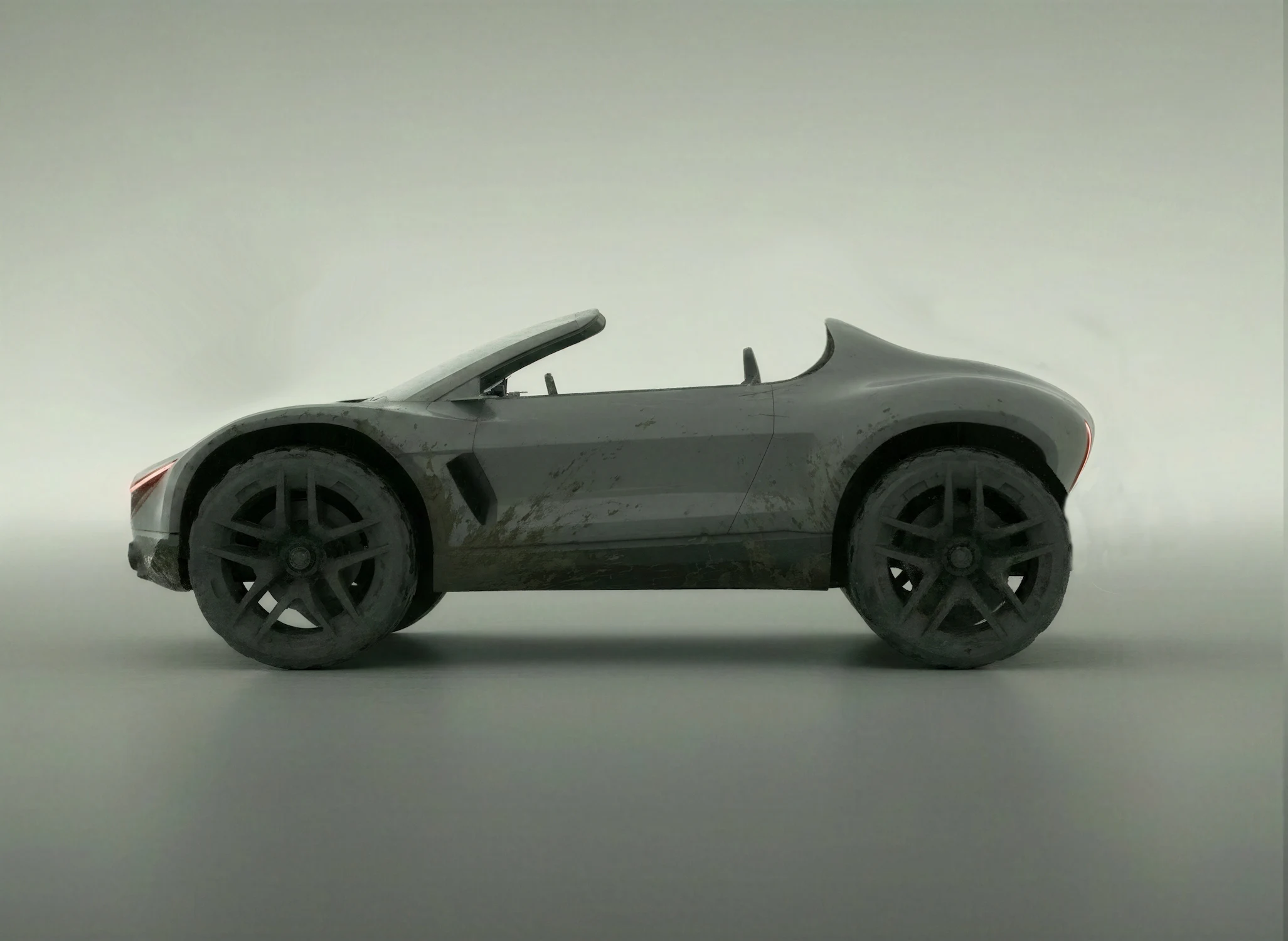
AI automotive design concept by Dario Moschetta, developed from hand-drawn automotive sketches and transformed into motion through AI-assisted tools. The project connects traditional car design drawing with AI-generated visualization, turning static sketches into moving forms. Rather than a functional vehicle, this experimental study focuses on proportion, surface and motion — showing how an automotive design can evolve from sketch to dynamic presence.
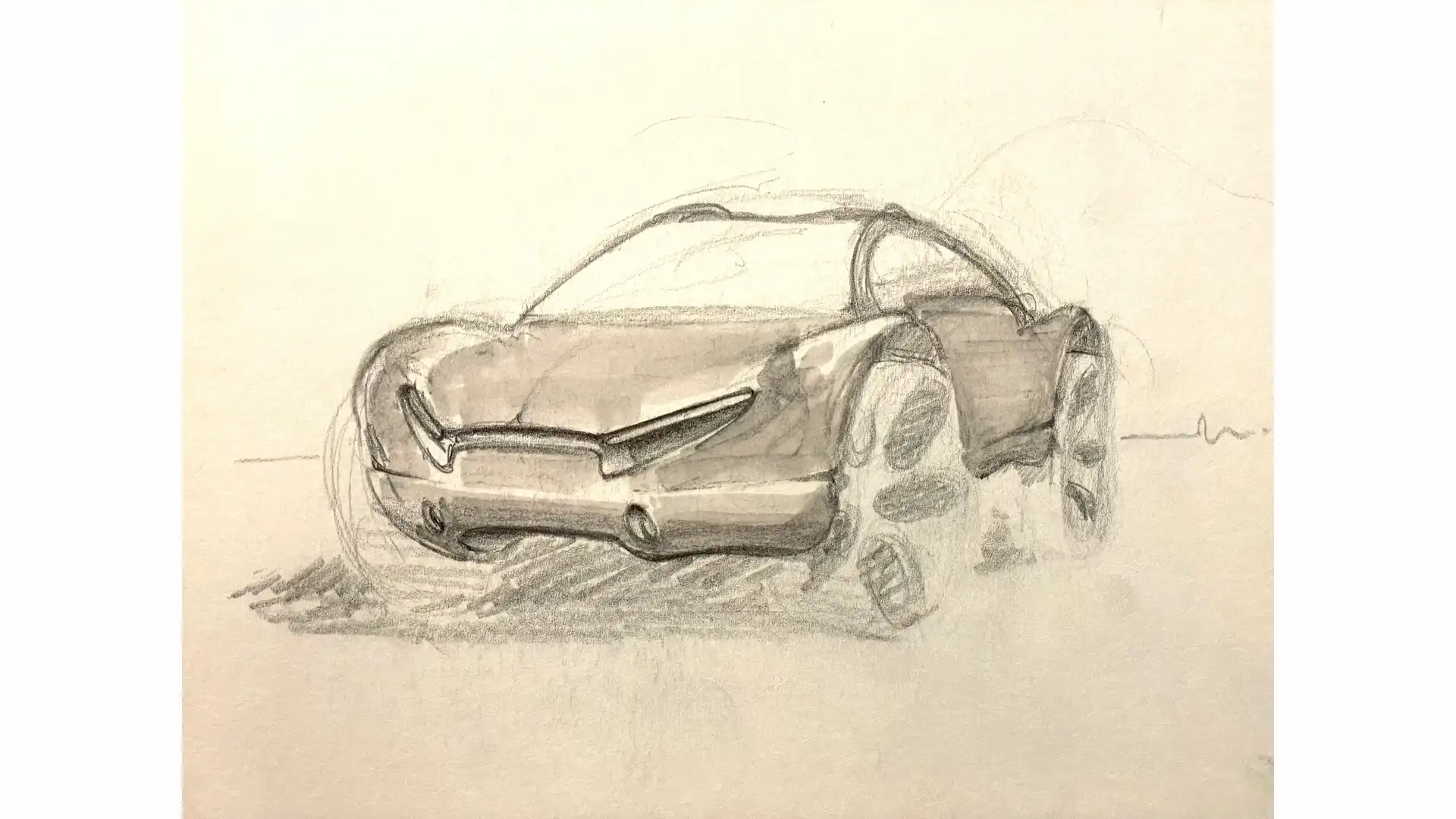
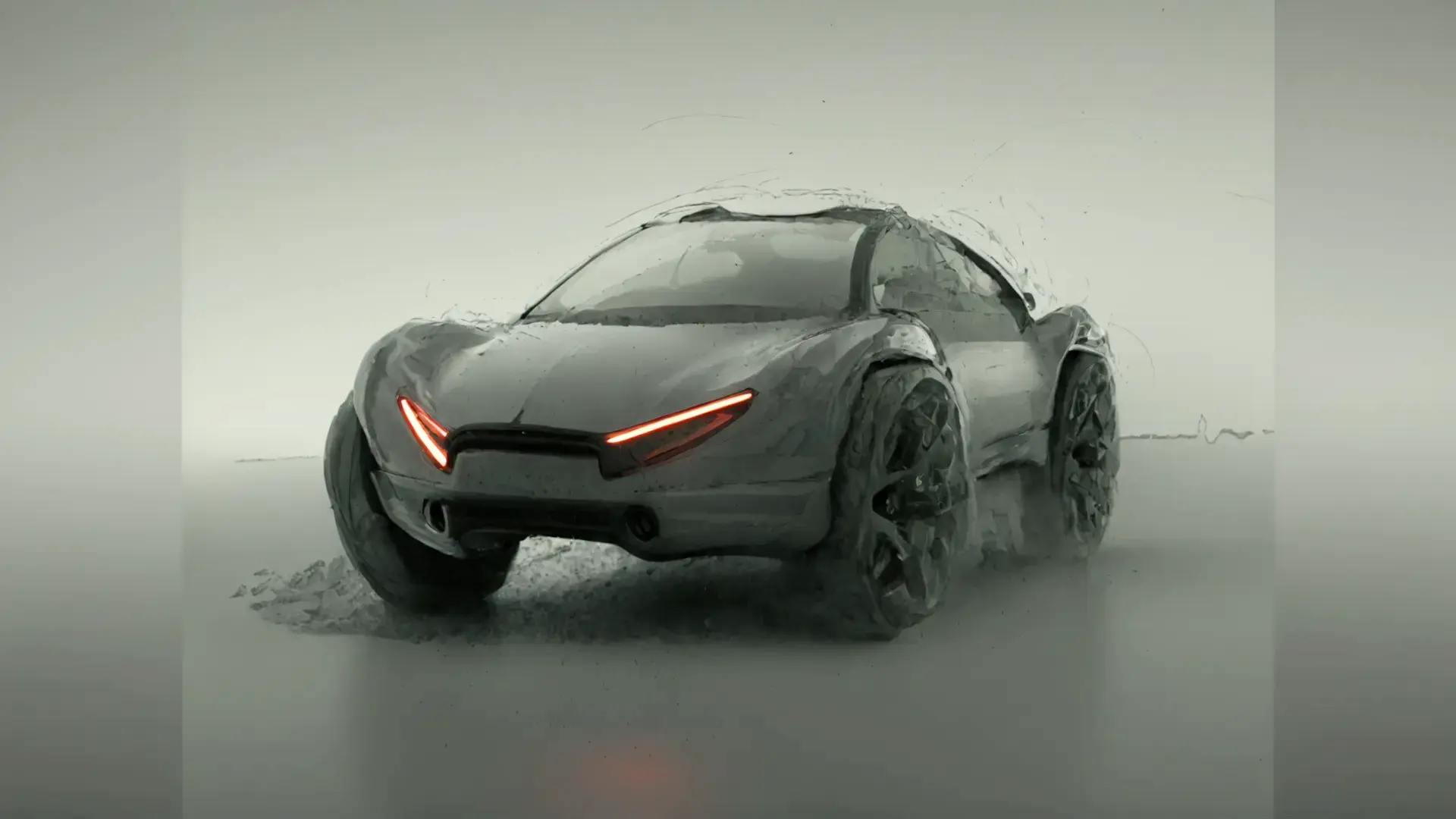
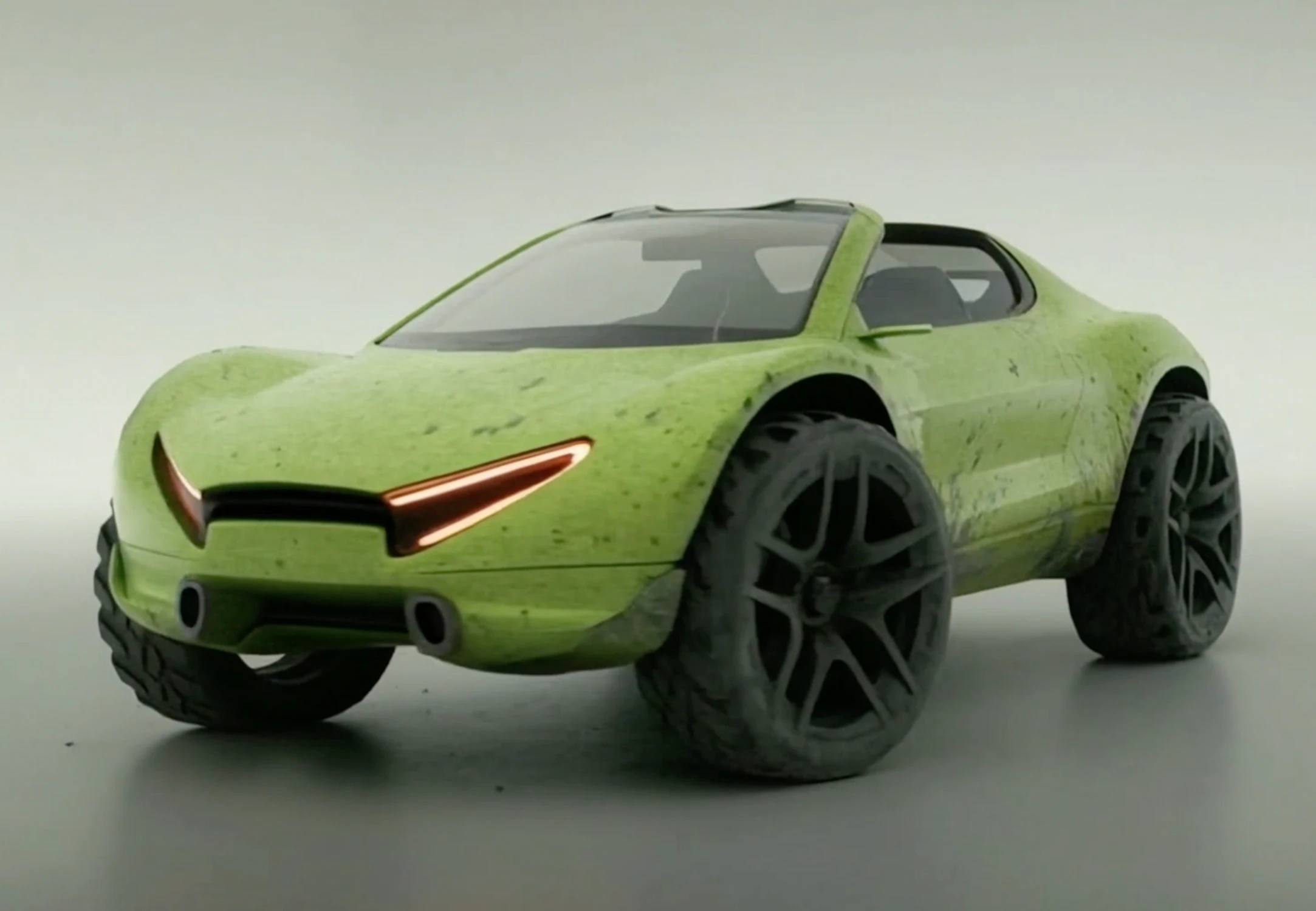
From hand-drawn automotive sketch to AI-generated form
From hand-drawn automotive sketches to AI-driven motion — the tool changes, the vision doesn’t.
The project begins with a simple sketch, a loose exploration of proportions and visual balance. Through AI-assisted tools, the initial drawing is translated into volume, surface and structure. This transformation is not linear but interpretative, allowing the form to evolve beyond the original intention. The same approach can be applied to objects at a different scale, as explored in this chair design concept. The result is an automotive design concept where lines become mass, and intuition becomes a three-dimensional presence.
Form, proportion and motion
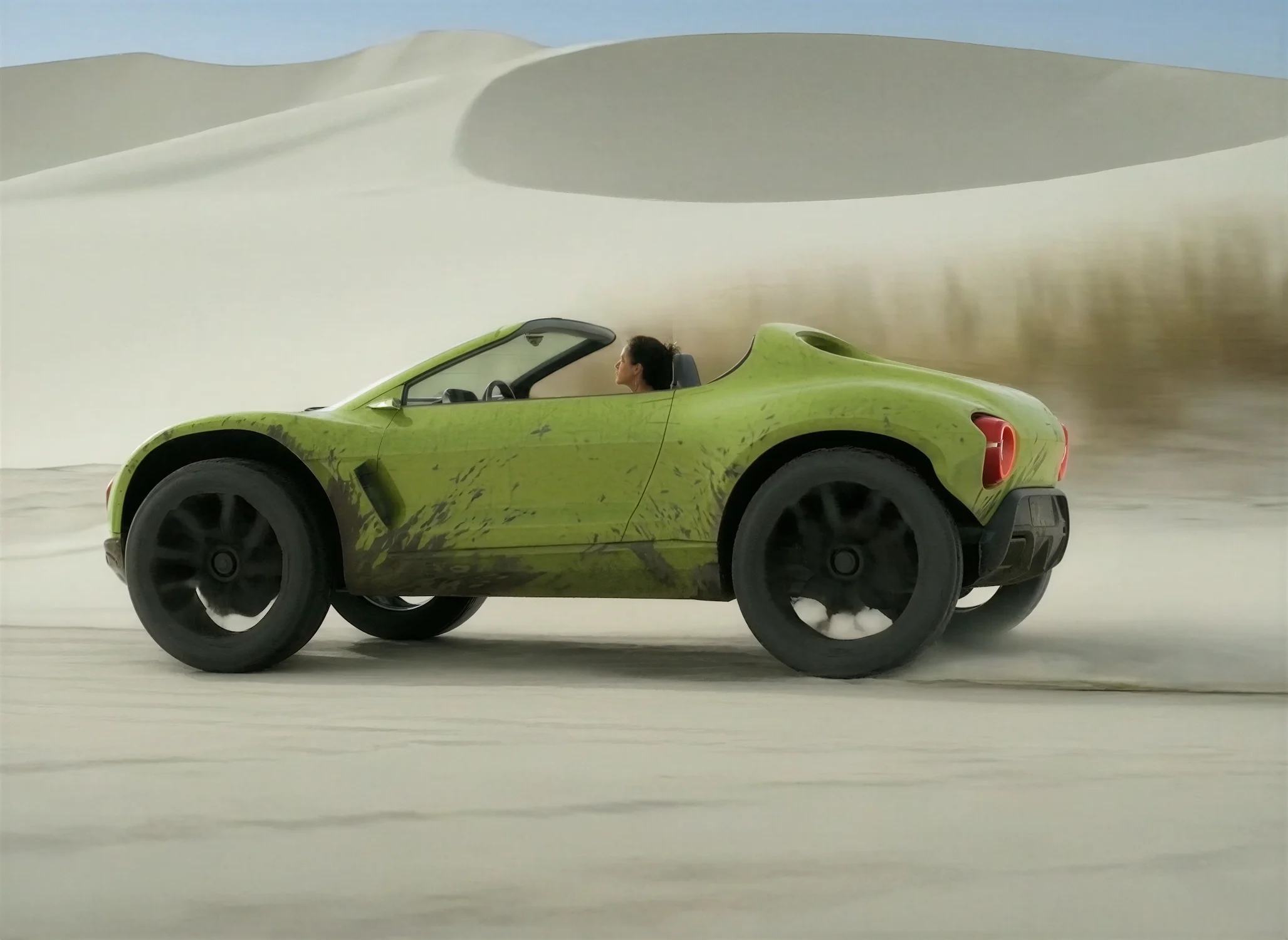
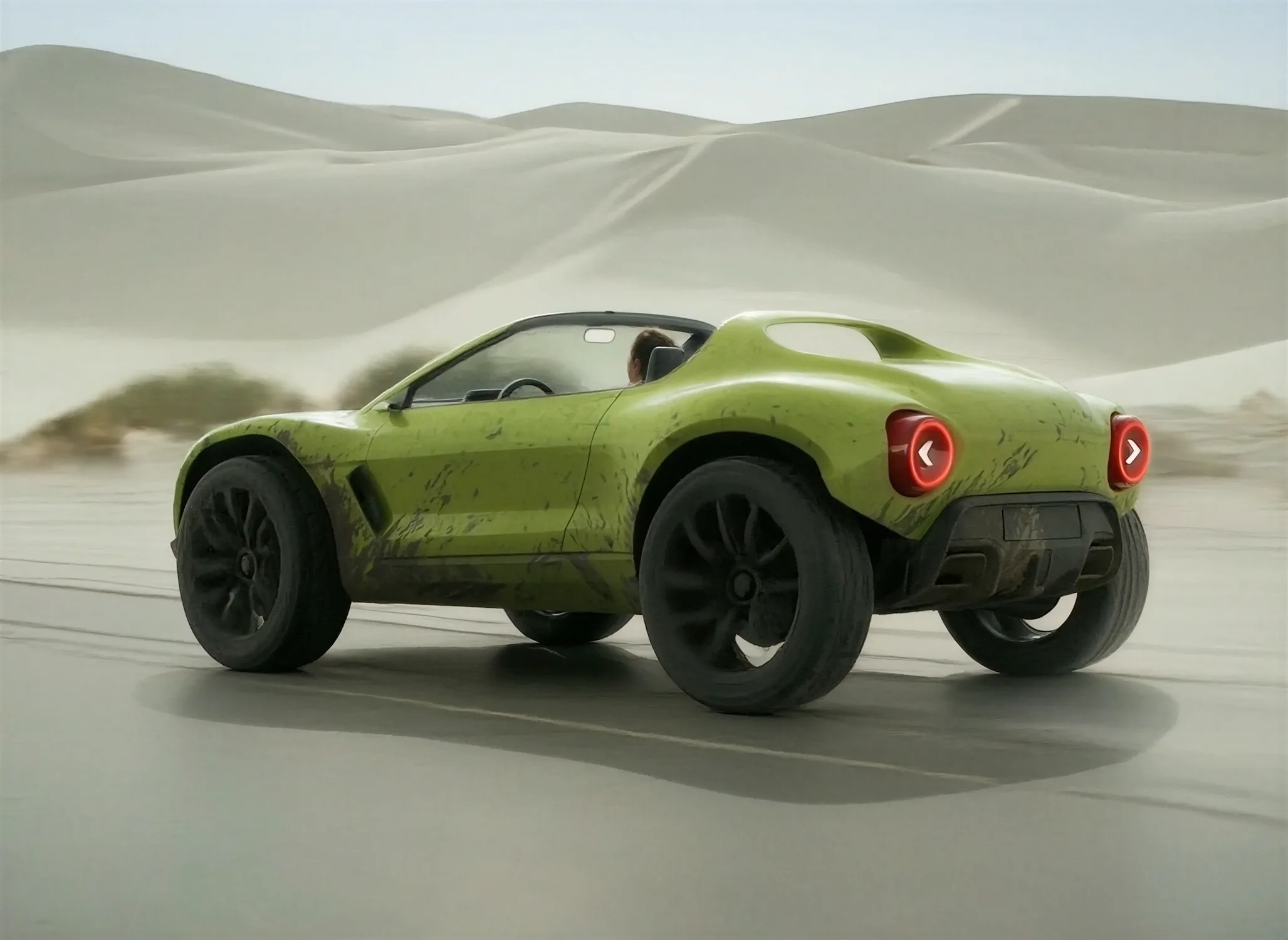
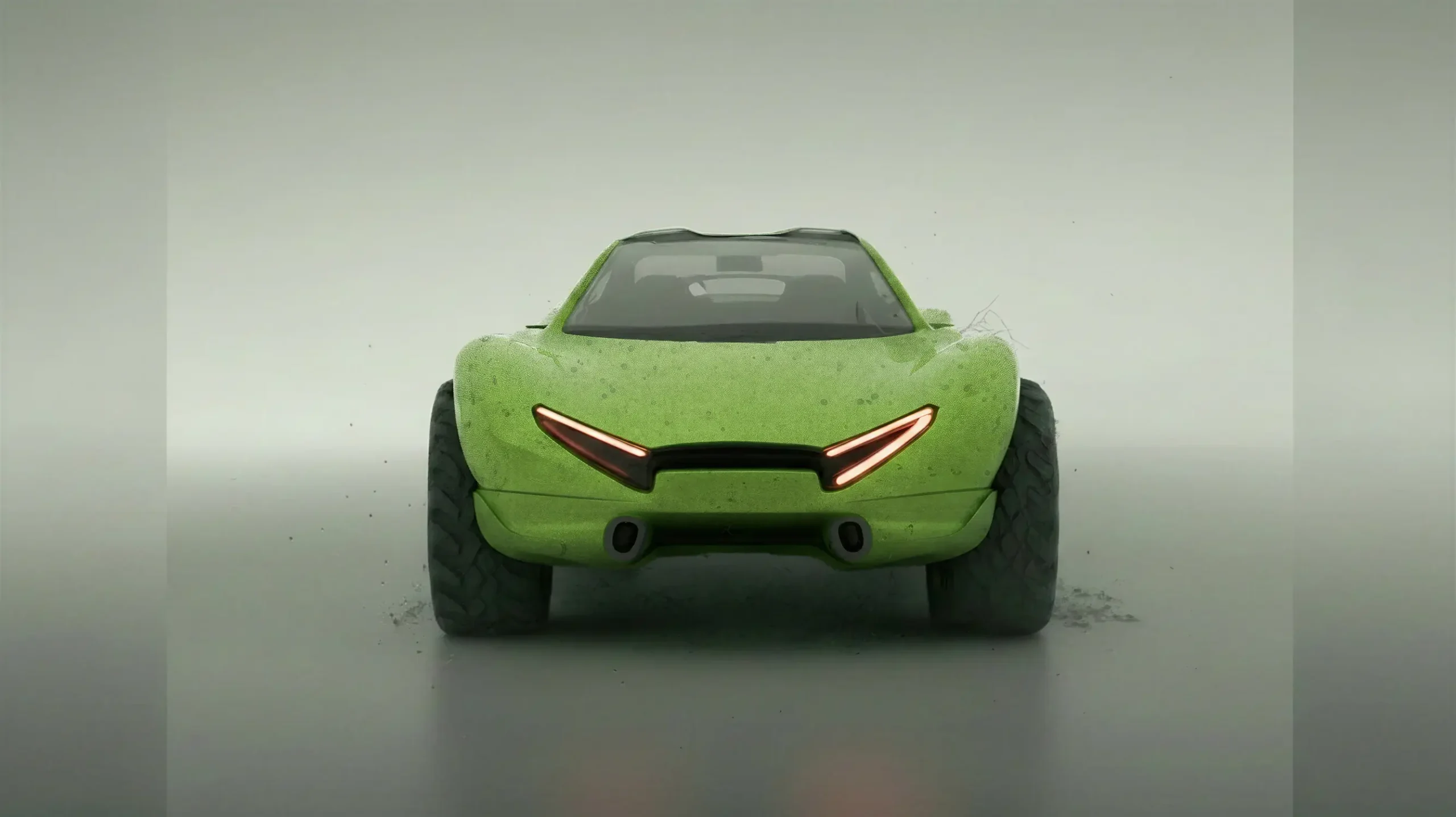
This AI automotive design concept is not defined by function, but by behavior. Motion becomes a key element of the design, revealing how the object interacts with space and environment. The exaggerated proportions, the lifted stance and the sculptural surfaces create a sense of tension between stability and movement. Driving sequences across the landscape highlight suspension, rhythm and the physical presence of the form as it responds to terrain and speed.
Materials and variations
Although developed as a digital concept, the project suggests multiple physical interpretations. The surfaces could translate into matte or textured finishes, while proportions allow for variations in scale and application. From collectible design objects to experimental prototypes, the concept opens a broader reflection on how AI can extend traditional design processes. Rather than defining a final product, this study proposes a direction — where design emerges through exploration, iteration and controlled unpredictability.
From hand-drawn automotive sketches to AI-driven motion — the tool changes, the vision doesn’t.