
Contemporary Art Collector Guide
How to Choose, Evaluate and Build a High-Value Art Collection
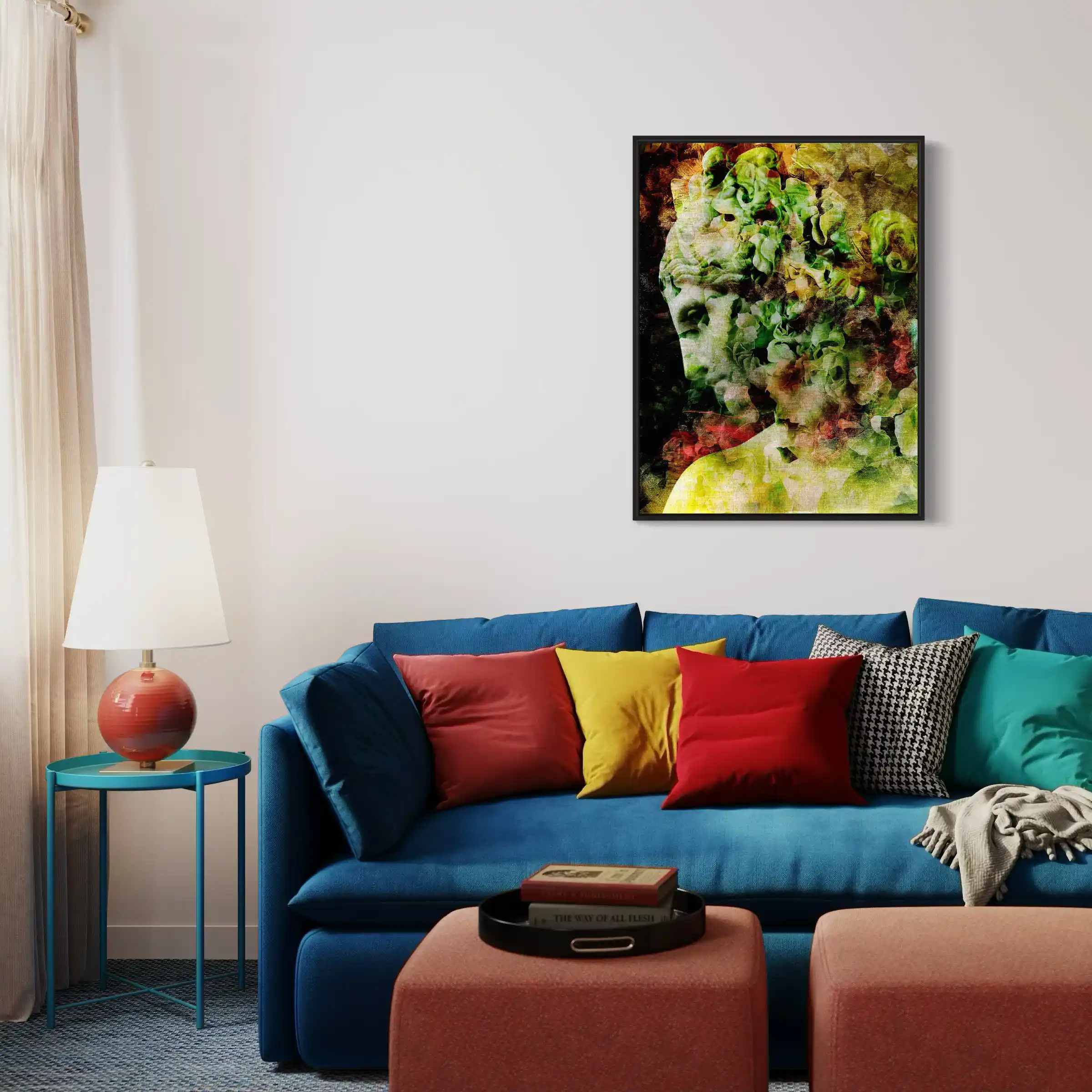
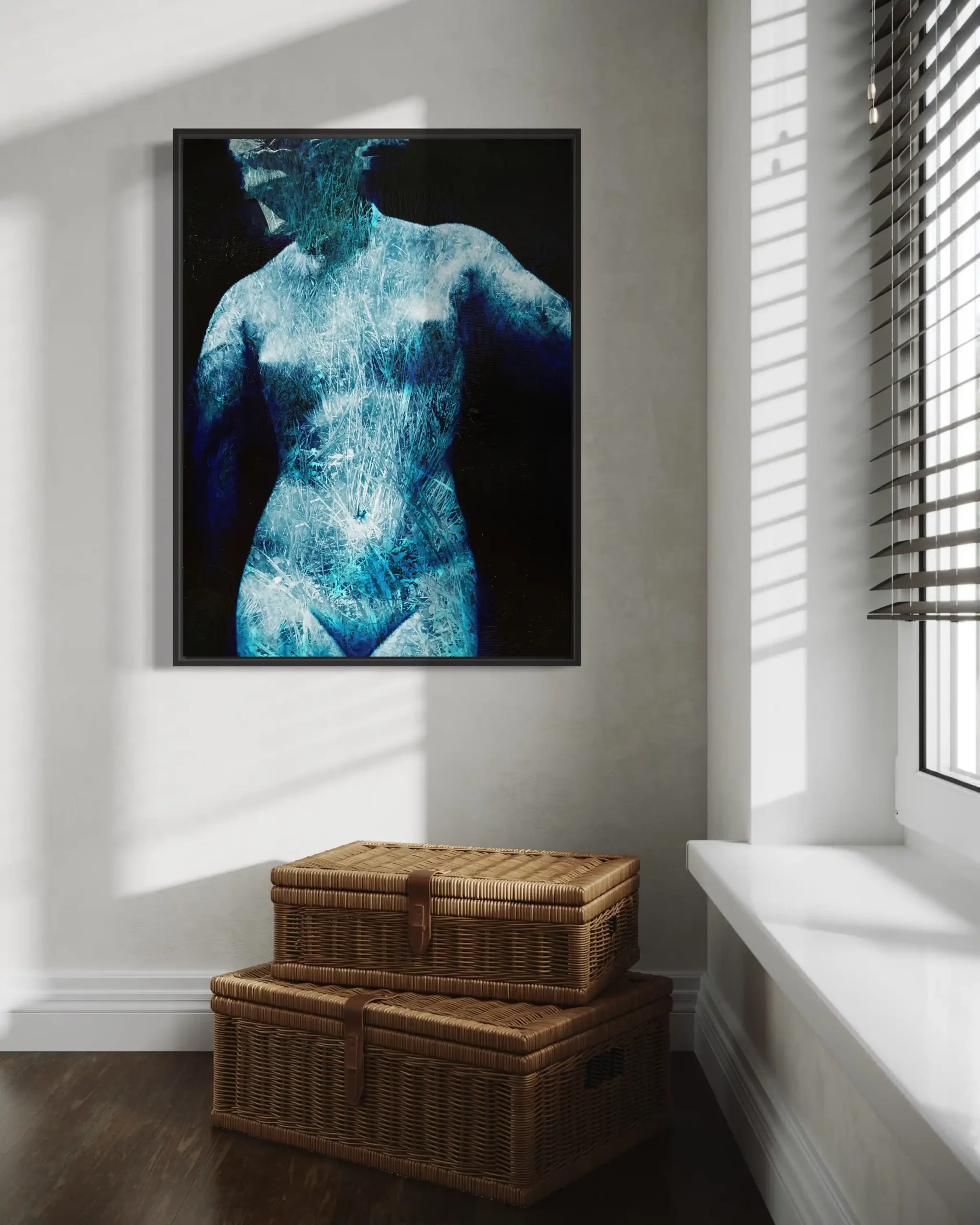

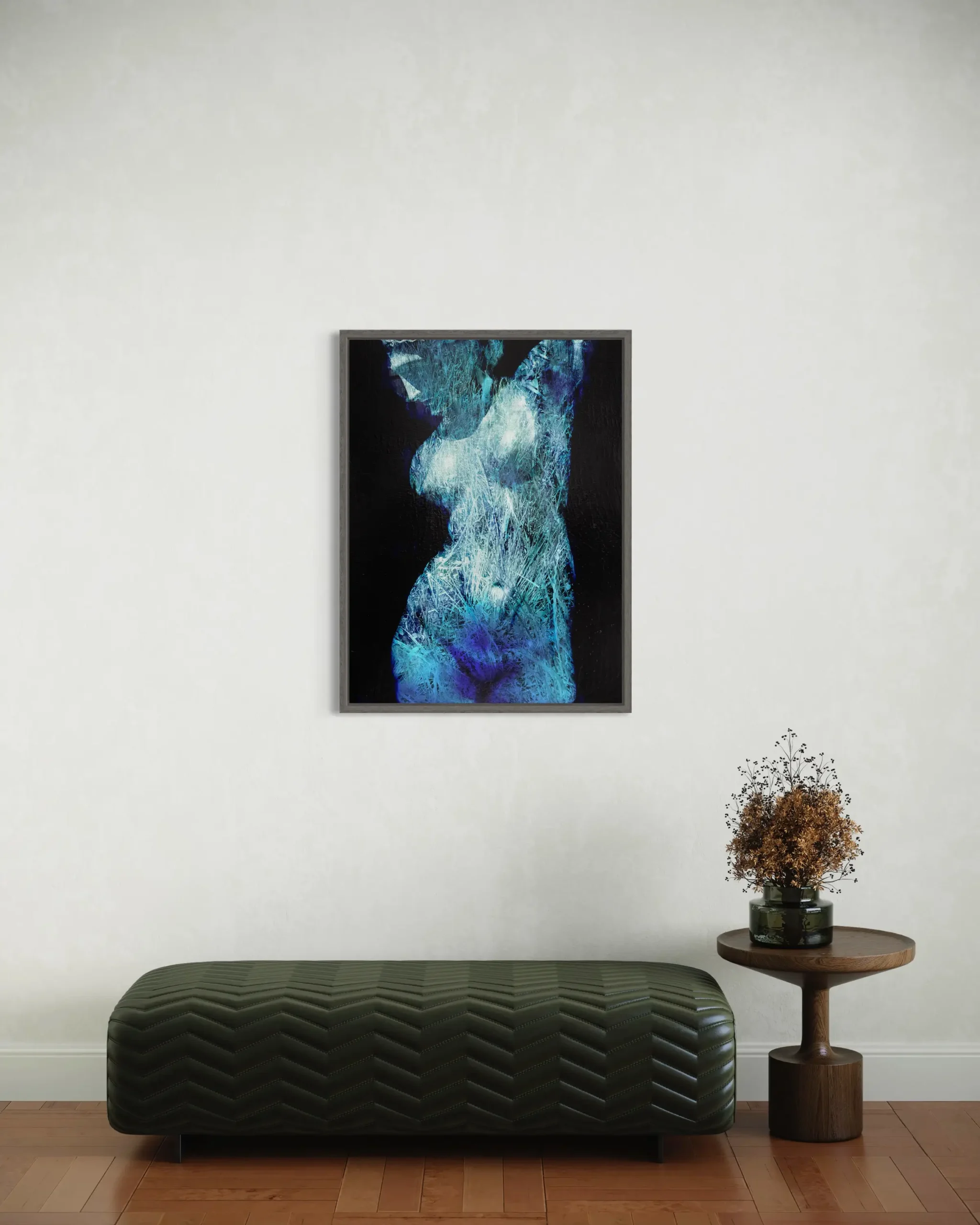
These interior settings illustrate how contemporary artworks enhance architectural spaces, creating a refined dialogue between art, design and atmosphere. Each piece is curated to elevate the environment, reinforcing its identity through visual harmony and emotional presence.
Introduction: The Discipline of Refined Collecting
Collecting contemporary art is not an impulsive act of decoration. It is a strategic and cultural investment that merges aesthetic intuition with curatorial intelligence. A true collector does not simply purchase artworks; they construct a narrative, define an identity, and curate a visual legacy that transcends time.
This contemporary art collector guide is designed for individuals who seek more than visual pleasure. It addresses discerning collectors who wish to understand how to evaluate contemporary art, how to select works with enduring value, and how to build a collection that reflects both intellectual vision and refined taste.
The Psychology of the Contemporary Art Collector
Every serious contemporary art collector operates through a balance of emotion and discernment. Emotional resonance initiates desire, but knowledge transforms desire into meaningful acquisition. The cultivated collector understands that each artwork purchased becomes part of a broader curatorial ecosystem.
Authentic collecting begins when choice is informed by awareness, coherence and long-term vision rather than momentary visual attraction.
How to Evaluate Contemporary Art: Core Criteria
1. Artistic Identity and Original Vision
An artwork gains value when its creator demonstrates a distinctive, recognisable visual language. Originality signals conceptual integrity and intellectual depth. A collector should seek works that reveal a clear artistic voice rather than emulate market trends.
2. Technical Excellence and Material Mastery
Luxury contemporary art reveals precision in execution. The quality of materials, layering techniques, composition balance and surface treatment must demonstrate mastery. Technical sophistication supports aesthetic longevity.
3. Conceptual Strength and Narrative Complexity
A refined artwork communicates beyond its surface. It embodies narrative tension, philosophical implication or aesthetic inquiry. Works of value continue to resonate over time, revealing new interpretations and emotional layers.
4. Emotional Impact and Collectible Presence
The most powerful artworks create silence. They invite contemplation. Emotional gravitas distinguishes museum-level pieces from decorative objects.
The Role of the Artist in Collection Value
A collection is not built around objects alone but around artistic trajectories. The credibility of the artist, their body of work, exhibitions, curatorial recognition and coherent evolution amplify the value of each piece.
Trust is built through transparency, consistency and vision. Vision creates permanence.




This acrylic nude painting, sold in 2022, reveals its expressive power through intimate close-up details. The surface, gestures and layered textures highlight the emotional intensity and technical mastery that define the work, offering a deeper insight into its material and conceptual complexity.
Strategic Art Acquisition for Long-Term Value
Strategic acquisition balances cultural relevance and personal resonance. The serious contemporary art collector understands that value is constructed gradually through thoughtful selection rather than market speculation.
Smart collectors evaluate:
– Artistic coherence
– Market positioning
– Rarity and uniqueness
– Exhibition history
– Narrative relevance
Building a Curated Contemporary Art Collection
An elevated art collection is carefully structured. It may follow themes, conceptual identities, emotional frequencies or stylistic continuities. Curated coherence increases the prestige of a private collection and reinforces its cultural standing.
Investment Art vs Cultural Legacy
While contemporary art can function as an investment asset, its highest value emerges when cultural resonance is placed before financial speculation. The collector who balances passion with strategy forms collections that mature into legacies.
Direct Artist Relationship as Curatorial Advantage
Establishing a direct relationship with the artist offers transparency, authenticity and privileged access to evolving works. This connection strengthens the integrity of the collection and deepens its artistic narrative.
Luxury Collecting: Beyond Ownership
Luxury collecting is defined not by price but by discernment. The highest form of collecting lies in the alignment between intellectual vision and aesthetic excellence.

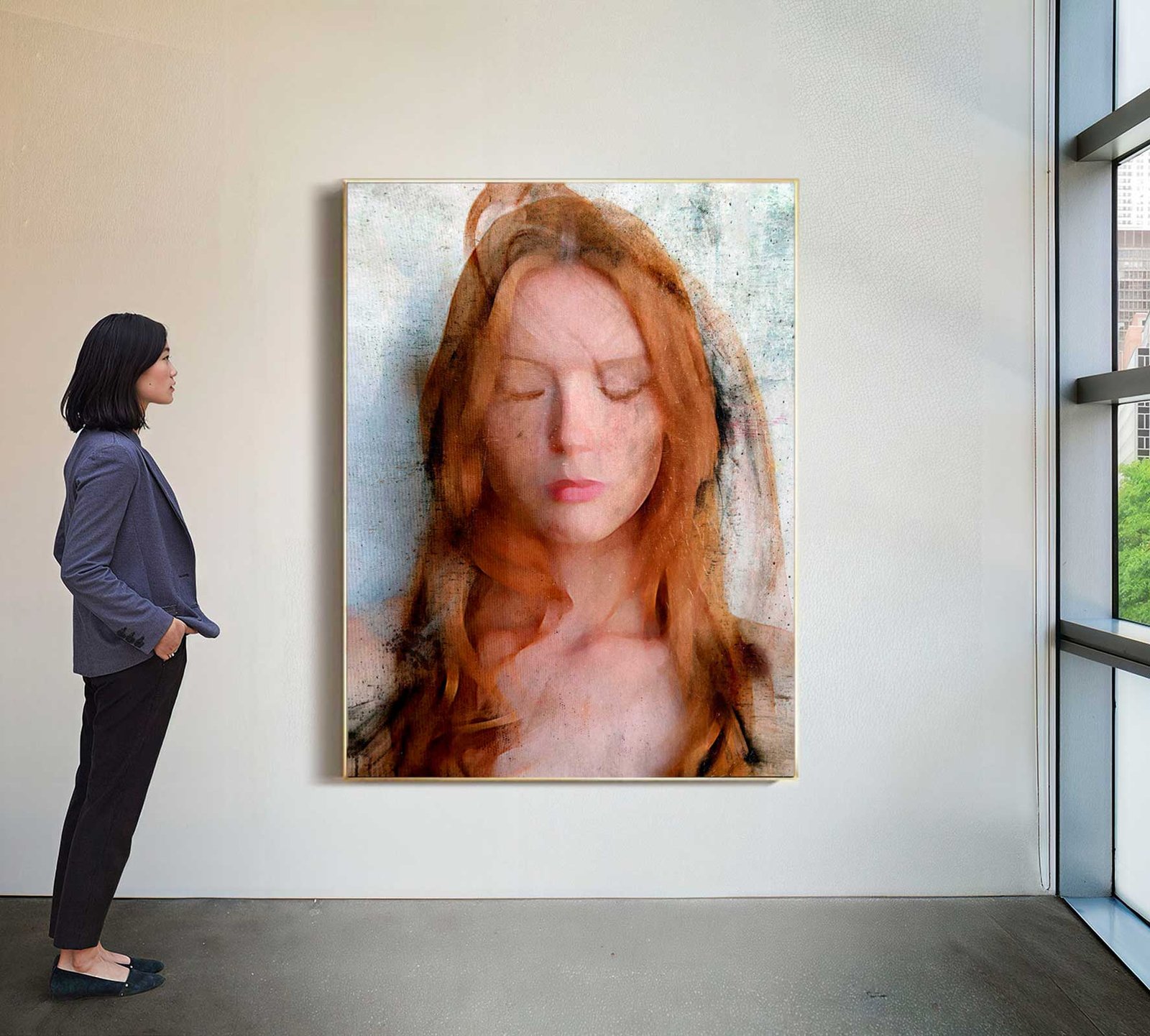

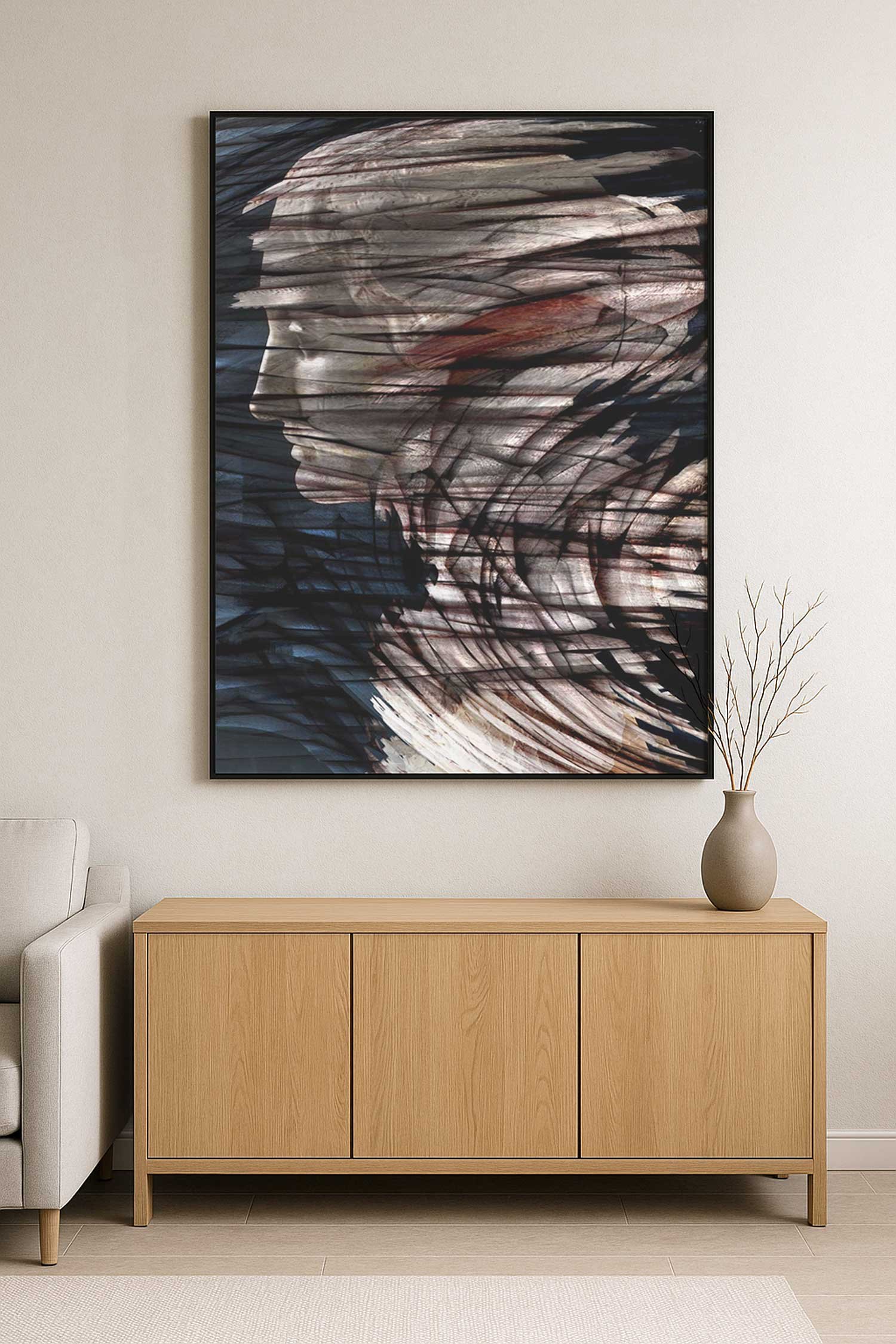
These images represent large-format fine art prints, distinct from the original artworks yet equally impactful. Their monumental scale enhances visual presence, offering a powerful and immersive collector experience beyond the dimensions of the original pieces.
Conclusion: The Art of Cultural Distinction
To collect contemporary art is to affirm identity, cultivate vision and preserve cultural continuity. It is an act of sophistication, responsibility and aesthetic leadership.
The true contemporary art collector is not a buyer. They are a curator of vision, a patron of artistic evolution and a guardian of aesthetic consciousness.
Guida per Collezionisti di Arte Contemporanea
Come scegliere, valutare e costruire una collezione di alto valore
Queste ambientazioni mostrano come le opere contemporanee valorizzino gli spazi architettonici, creando un dialogo raffinato tra arte, design e atmosfera. Ogni opera è selezionata per elevare l’ambiente, rafforzandone l’identità attraverso armonia visiva e presenza emozionale.
Introduzione: La disciplina del collezionismo evoluto
Collezionare arte contemporanea non è un gesto impulsivo né un atto puramente decorativo. È una scelta culturale e strategica che unisce sensibilità estetica e intelligenza curatoriale. Il collezionista autentico costruisce una narrazione visiva che definisce identità e visione.
Questa guida per collezionisti di arte contemporanea è rivolta a chi desidera comprendere come valutare un’opera d’arte, selezionare opere di valore duraturo e costruire una collezione con profondità, prestigio e coerenza.
Psicologia del collezionista contemporaneo
Il collezionista raffinato bilancia emozione e discernimento. L’emozione accende il desiderio, ma la conoscenza lo trasforma in scelta consapevole. Ogni opera entra a far parte di un ecosistema visivo strutturato.
Come valutare un’opera d’arte contemporanea
1. Identità artistica e visione originale
Le opere di valore mostrano una voce riconoscibile e autentica. L’originalità esprime profondità concettuale e integrità artistica.
2. Eccellenza tecnica
La qualità dei materiali, la precisione esecutiva e il controllo tecnico sono elementi fondamentali nel determinare il valore dell’opera nel tempo.
3. Forza concettuale
Un’opera significativa va oltre l’estetica: trasmette contenuto, visione e narrazione culturale.
4. Risonanza emotiva
L’opera autentica genera silenzio, riflessione e connessione profonda.
L’artista come valore curatoriale
Il percorso dell’artista, la coerenza del lavoro e la sua evoluzione determinano il peso culturale dell’opera. La fiducia genera valore.
Acquisizione strategica e valore nel tempo
Il collezionista maturo seleziona opere con visione a lungo termine, combinando sensibilità estetica e consapevolezza culturale.
Costruire una collezione curatoriale
Una collezione autorevole nasce da coerenza tematica, identità estetica e continuità concettuale. La coerenza trasforma il possesso in patrimonio.
Collezionismo di lusso
Il vero lusso risiede nella scelta consapevole, non nel prezzo. La raccolta assume valore quando riflette una visione chiara e raffinata.
Conclusione: L’arte della distinzione culturale
Collezionare arte contemporanea significa affermare la propria identità culturale e contribuire alla continuità artistica nel tempo.
Il collezionista autentico non accumula. Cura. Costruisce. Eleva.