Contemporary Art: Meaning, Value and How It Actually Works Today
Beyond style and aesthetics — understanding the system behind contemporary art
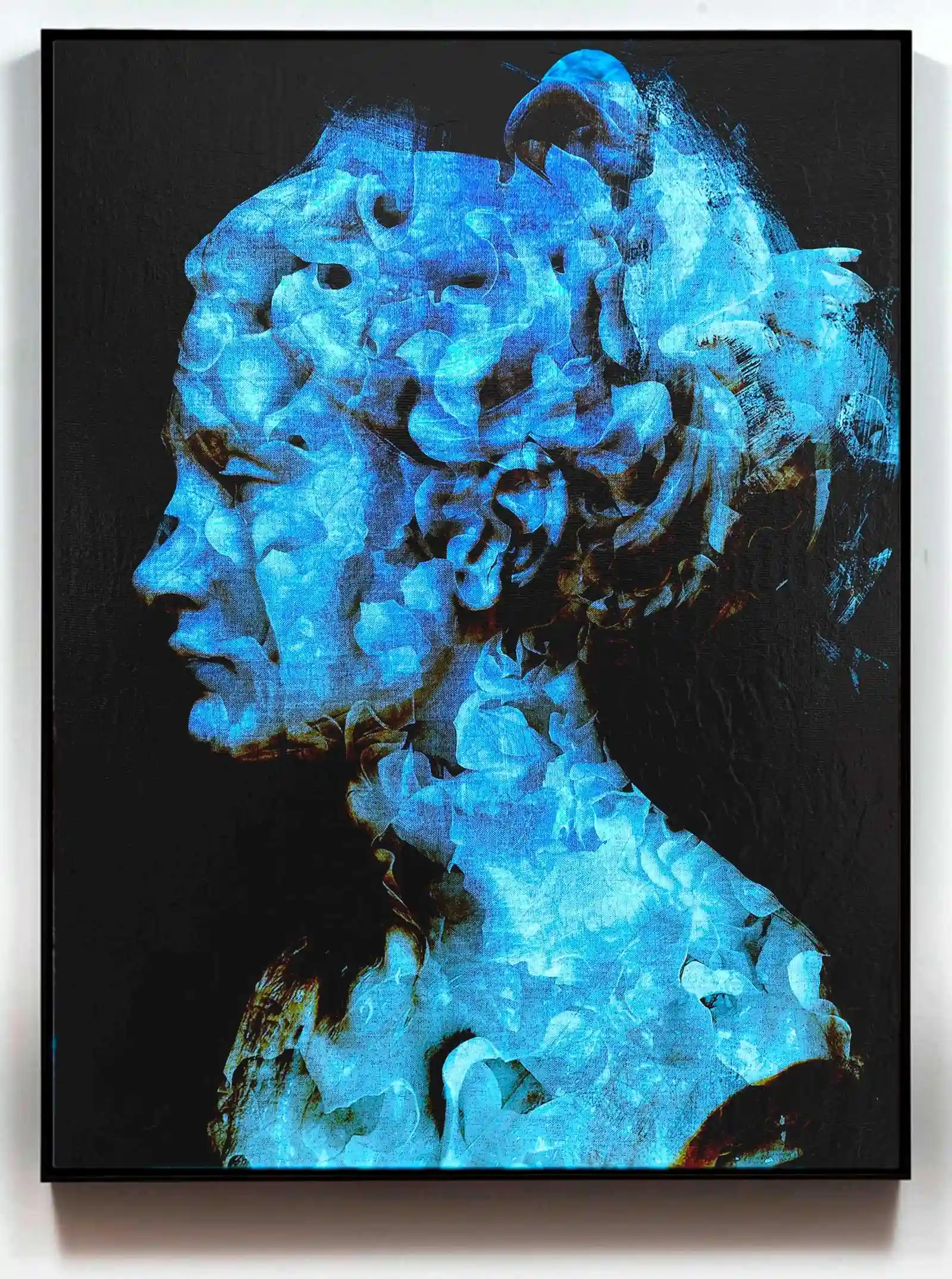
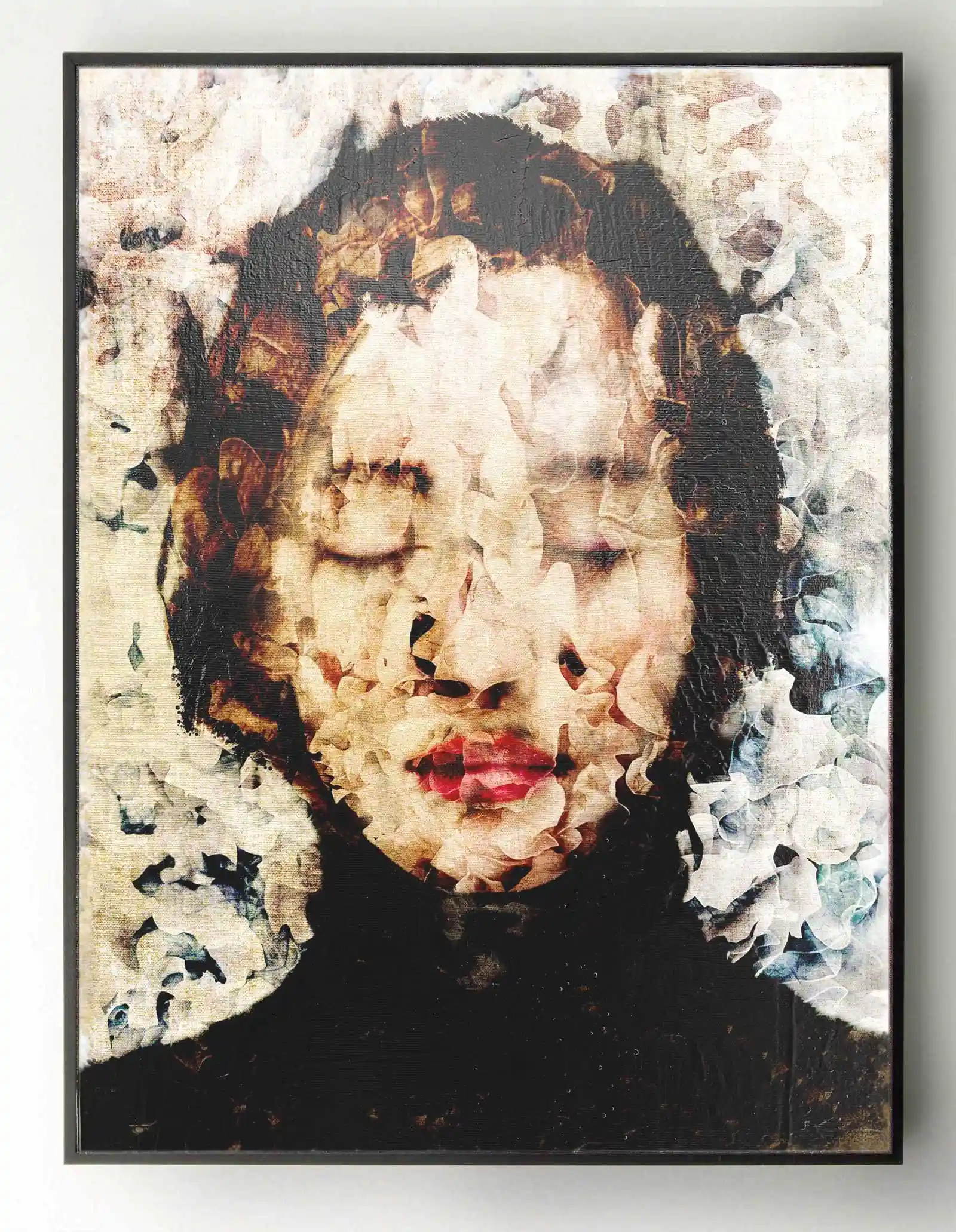
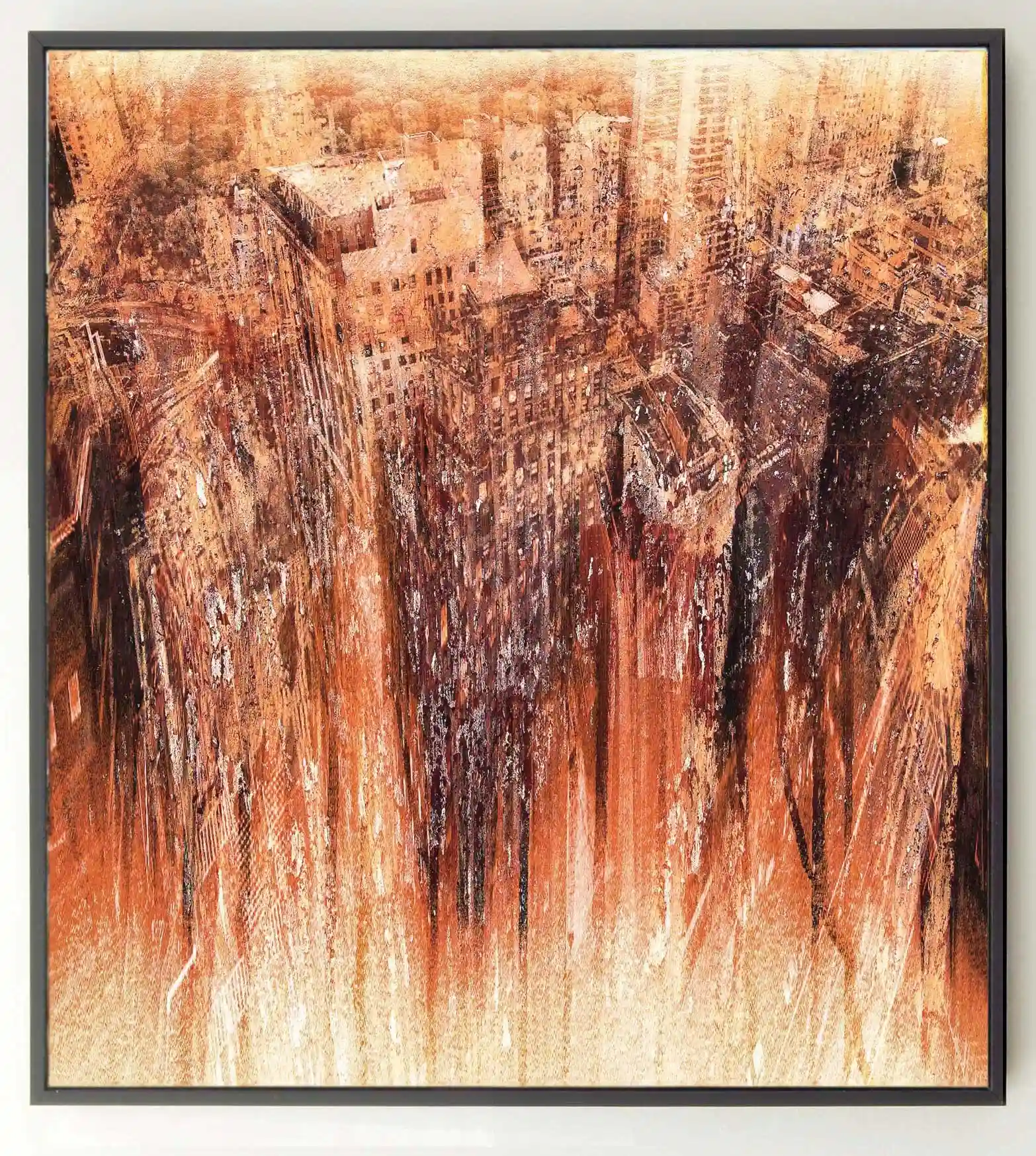
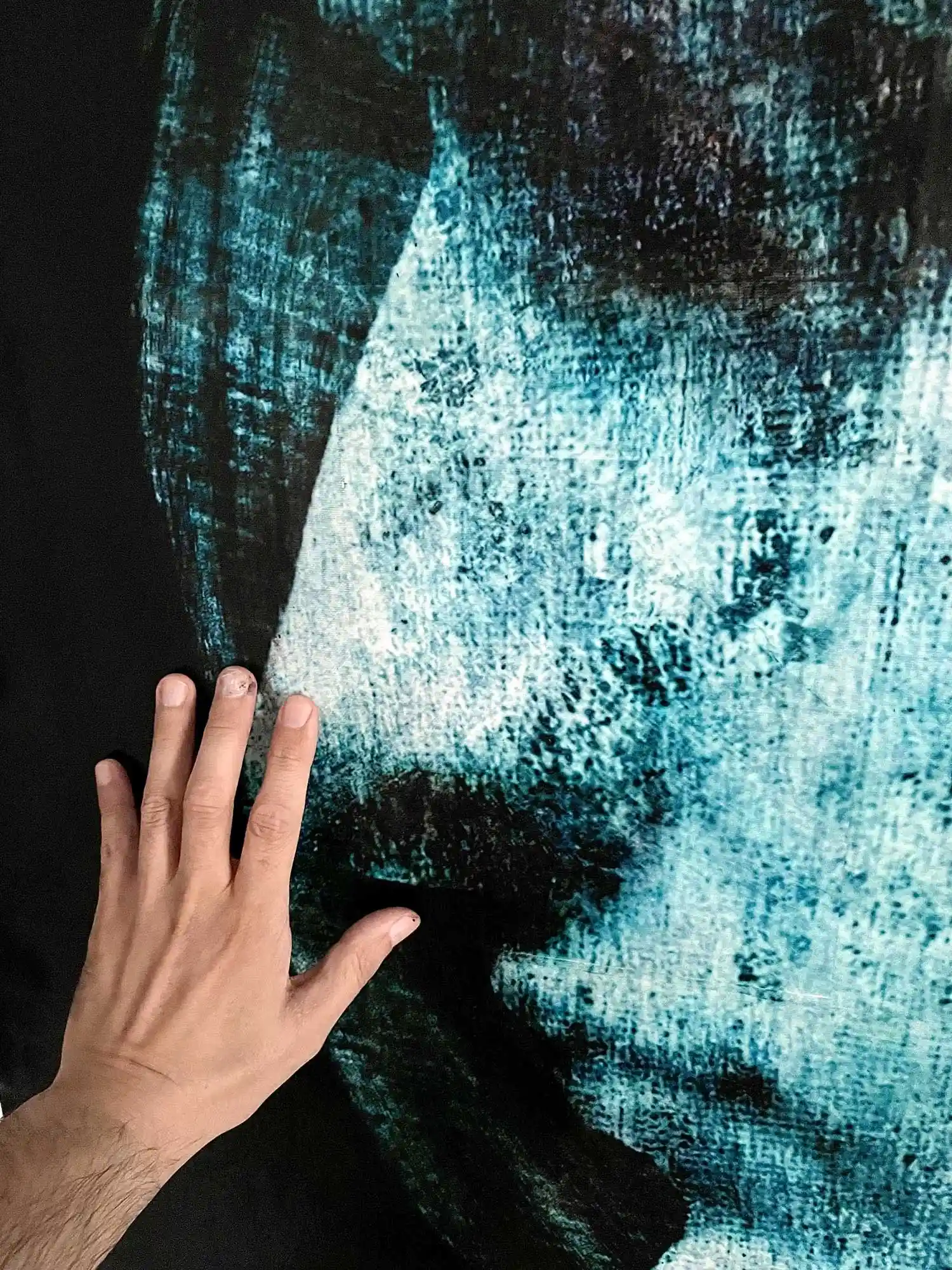
Contemporary art is not defined by style, but by how it interprets the present — through material, gesture and conceptual depth.
1. Contemporary Art Is Not a Style
Contemporary art is often misunderstood because it is approached as a visual category. In reality, contemporary art is not a style — it is a system. It is a field where meaning, value and visibility are constructed through the interaction between artistic practice, cultural context and market dynamics.
Painting, sculpture, digital media or mixed techniques are only surfaces. What defines contemporary art today is how an artwork positions itself within the present — culturally, conceptually and economically.
To understand contemporary art, you don’t need to recognize styles. You need to understand how meaning and value are built.
What Is Contemporary Art Today
This field today exists in a state of continuous transformation. It reflects a world shaped by technological acceleration, cultural shifts and changing systems of visibility.
Rather than belonging to a single visual language, contemporary art includes painting, drawing, sculpture, digital processes and hybrid practices. What unites these forms is not aesthetics, but awareness of context.
Each artwork operates within a network of meanings — social, cultural and economic — that influence how it is perceived and valued. For this reason, contemporary art is not defined by what it looks like, but by how it functions within a system of value and visibility.
2. Why Most People Misunderstand Contemporary Art
Contemporary art often feels unclear because it is expected to behave like historical art — stable, recognizable and stylistically defined. However, contemporary art evolves in real time, does not follow fixed movements and reflects a fragmented and accelerated world.
This is why it appears complex. In reality, it is simply closer to how we live today. As explored in
why discovery is the wrong question , the issue is not finding art, but understanding how to read it.
Modern Art vs the Present
The distinction between modern art and contemporary art is essential. Modern art refers to a historical period defined by movements such as Impressionism, Cubism and Surrealism. Contemporary art belongs to the present and cannot be reduced to a single style or ideology.
While modern art was driven by formal innovation, contemporary art is driven by context, interpretation and positioning. It reflects a world where multiple perspectives coexist rather than a single dominant narrative.
3. How Value Is Created in Contemporary Art
Value in this field is not fixed — it is constructed through multiple factors. These include the consistency of the artist’s work, the clarity of the vision, the context in which the work is presented, the relationships with collectors and the visibility generated through platforms and editorial presence.
This process is often opaque. A deeper analysis can be found in
how value is created in contemporary art
, where the mechanisms behind artistic value are explored in detail.
4. Where Contemporary Art Exists Today
Contemporary art exists across multiple systems: galleries, auction houses, online platforms and independent artist ecosystems. Each environment shapes how artworks are presented, understood and valued.
Traditional structures often control visibility, while platforms increase accessibility but reduce coherence. A significant shift today is the rise of artist-controlled systems, where artists manage both narrative and access.
As a result, many collectors are choosing to
buy contemporary art directly from the artist
, creating a more transparent and direct relationship.
5. The Collector’s Perspective
For collectors, contemporary art is not only about ownership, but positioning. Collecting means entering a cultural conversation, supporting an evolving trajectory and understanding why a work matters within a broader context.
This is also why hesitation exists. As explained in
why collectors hesitate to buy contemporary art
, uncertainty often comes from a lack of clarity about the system rather than the artwork itself.
Where to Buy Art Today
Today, this context can be accessed through galleries, auction houses, online platforms and direct artist channels. Each option offers different levels of access, control and transparency.
Increasingly, collectors are moving toward direct relationships with artists, not only for access, but for clarity. This reflects a broader shift in the art today landscape, where artists are gaining control over visibility and narrative.
6. Art as an Ecosystem
Art today is no longer just about the artwork. It is about the ecosystem surrounding it — editorial content, digital visibility, direct sales, auctions and collector interaction.
The difference is no longer only in the image, but in the structure that supports it. This is what defines how art today is experienced today.
7. How to Approach Contemporary Art Today
You don’t need to understand everything to engage with this field. Instead, you need to ask better questions: what the work is doing, what choices define it and where it sits within the current landscape.
Contemporary art is not about decoding. It is about positioning — both for the artist and for the viewer.
Not a Category — A Position.
This context cannot be fully understood through definitions or categories. It exists as a position within a dynamic system where visibility, context and narrative shape perception.
Two visually similar works can exist in completely different conditions — one invisible, the other recognized. The difference lies in the structure surrounding them.
Understanding art today means understanding this system. It is not a fixed language, but a shifting field shaped by artists, collectors and the infrastructures that connect them.
In this field, clarity is not given. It is built.